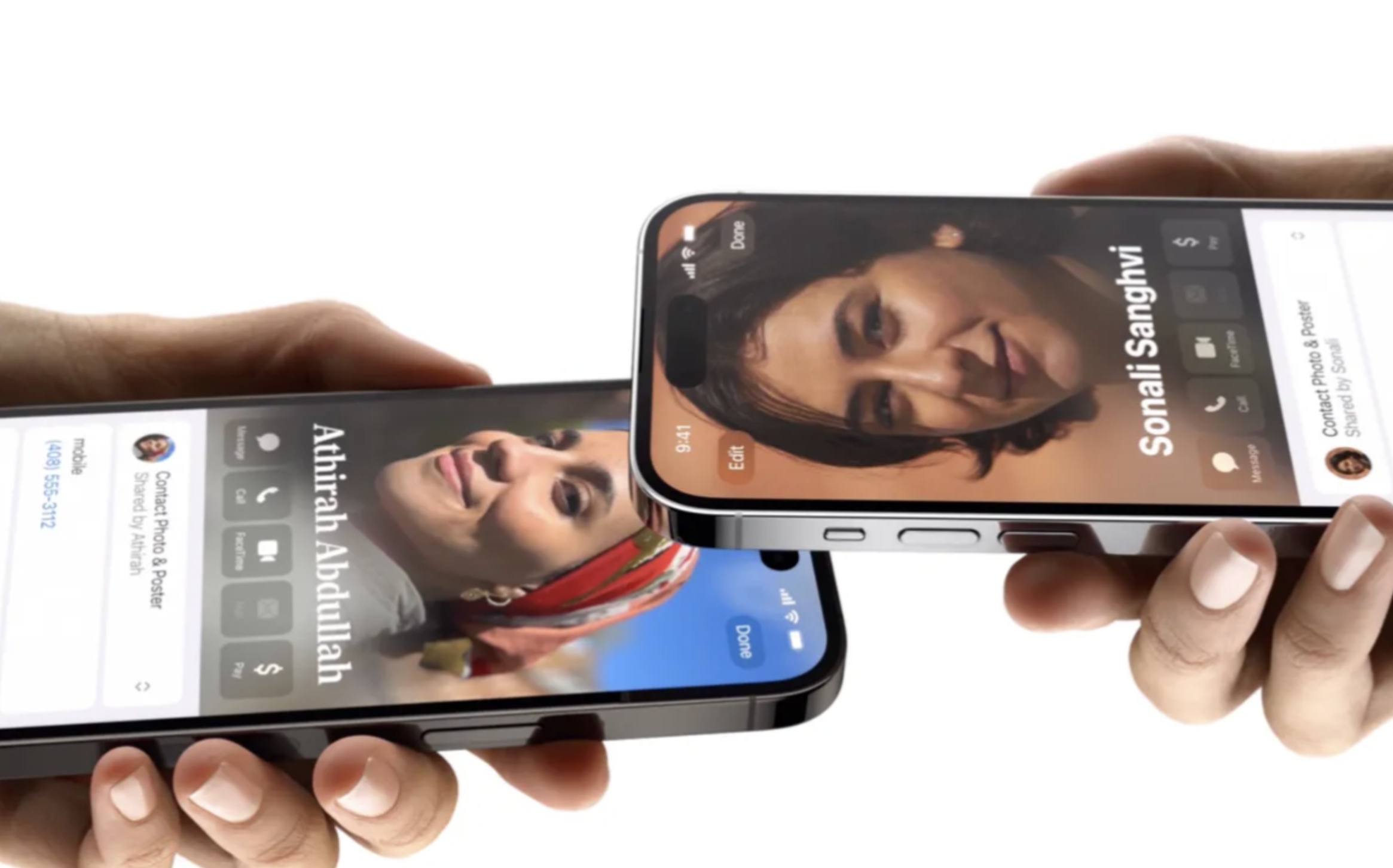
I have 10,000 contacts.
Sounds impressive until you realize I have no idea who 9,950 of them are.
There's someone saved as "Tom startup." Another just says "Conference Michelle." A third is literally "Guy with beard SF."
These were real conversations. Real humans. Some of them were probably important. Some of them might be exactly what I need right now.
But they're fossils now. Names without stories. Connections without connection.
Sound familiar?
The Networking Lie We All Bought
Here's what we were taught:
"Prepare before the event. Research the attendees. Take notes. Follow up within 24 hours. Nurture relationships. Add value. Build your network."
So we did. We researched. We prepared talking points. We collected business cards like Pokémon. We added everyone on LinkedIn. We sent "great meeting you!" emails.
And now?
Now I scroll through contacts I don't remember, stare at business cards I never entered, and feel guilty about follow-ups I never sent.
The old way of networking is exhausting. And it doesn't even work.
What If We've Been Solving the Wrong Problem?
Think about it.
We're not bad at networking because we don't prepare enough. We're not failing because we don't take enough notes or send enough follow-ups.
We're failing because we're trying to do manually what should be automatic.
Remembering people? That's what phones are for.
Understanding connections? That's what AI is for.
Following up? That should take one tap, not an hour.
The problem isn't that we're lazy. The problem is that networking still runs on 1990s infrastructure while everything else has evolved.
What Actually Matters When You Meet Someone
Here's what you need to know after meeting someone:
- Why they matter to you — Not their job title. The actual reason you should stay connected.
- What you could build together — Opportunities, collaborations, mutual value.
- What to talk about — Shared interests, complementary skills, conversation starters.
- How to follow up — And what to say that isn't generic garbage.
Now here's the problem: getting this information takes hours.
Think about it. You meet someone at an event. To really understand the connection, you'd need to:
- Dig into their background
- Figure out skill overlaps
- Find shared interests
- Identify business synergies
- Remember your conversation context
Who has time for that? Nobody. So we don't do it. And connections die.
What If You Could Know All of This in Seconds?
This is going to sound like magic. It's not. It's just what happens when you stop treating connections like contact cards and start treating them like relationships.
Imagine this:
You meet Sarah at a conference. You connect on your phones. Instantly — before you even finish shaking hands — you both receive:
Professional opportunities:
"You're both building in fintech. Sarah's payments expertise could solve your checkout integration challenges. She's looking for product partnerships."
Personal synergies:
"You both spent time in Berlin, love jazz, and are training for marathons. She mentioned she's looking for running partners."
Learning potential:
"Sarah has 8 years of enterprise sales experience. You're building your first sales team. She's offered to mentor founders before."
Collaboration ideas:
"Based on your skills overlap, you could co-create a workshop on API design for fintech startups."
This isn't her LinkedIn bio. This isn't information you could Google.
This is what would take an hour of conversation to uncover — surfaced in a second.
"But That Removes the Human Element!"
I hear this objection a lot. Here's why it's backwards:
When you walk into an event worried about who to talk to, what to say, and whether you're wasting your time... you're not present.
You're performing. Calculating. Working.
When you already know why someone matters, what you have in common, and what you could explore together... you actually listen.
You ask better questions. You have real conversations. You connect like humans, not like networking robots.
The AI doesn't replace the human part. It removes the work so you can finally be human.
The Event Is Just the Beginning
Here's what happens after:
You leave the conference. You connected with 15 people. In the old world, you'd spend the next week:
- Entering contacts
- Trying to remember conversations
- Writing follow-ups
- Feeling guilty about the ones you missed
In the new world:
You open your phone. You see everyone you met, organized by event. Each one has context — what you talked about, why they matter, what the opportunities are.
You tap "Send Follow-ups."
AI drafts personalized messages for each person. Not "great meeting you!" garbage. Real messages:
"Hey Sarah — loved talking about API partnerships at Disrupt. Given your experience scaling payment integrations at Stripe, I'd love to get your take on the architecture challenge I mentioned. Free for coffee next week?"
One tap to send. The AI writes it. You just approve.
This isn't automation. It's amplification. Your voice, your relationships, your follow-through — just without the busywork.
Three Months Later
You're working on a new project. You need help with enterprise sales.
In the old world, you'd post on LinkedIn, ask for intros, cold email strangers.
In the new world, you search your connections. Sarah pops up instantly:
"Sarah Chen. Met at TechCrunch Disrupt. 8 years enterprise sales at Stripe. Offered to mentor founders. You discussed: API partnerships, fintech scaling, marathon training."
Oh right. Sarah.
You message her. She remembers you too — because she has the same context.
You're not starting from zero. You're building on a foundation that was laid months ago.
This is what networking should feel like. Not collecting contacts. Building relationships that actually grow.
The Shift That Changes Everything
Here's the mindset shift:
Old way: Meet people → remember them (fail) → follow up (maybe) → forget (definitely)
New way: Meet people → instant context → effortless follow-up → relationships that compound
It's not about being better at networking. It's about making networking work differently.
Less grinding. More connecting.
Less remembering. More understanding.
Less performing. More being human.
This Is Why I Built Mētan
Every person in your contacts is a mystery. Hidden potential wrapped in a name and number.
Mētan unwraps them. Shows you what you could build together. Turns contacts into connections and connections into relationships.
Mētan reveals more about your new connection in a second than hours of conversation ever could.
No more "Conference Michelle." No more "Guy with beard SF."
Just human potential, finally visible.
Your Next Event
Stop preparing. Stop researching attendee lists. Stop practicing elevator pitches.
Just show up. Open mētan. See who matters and why.
Meet people like a human, not like a networking robot.
Then let the AI handle the rest.
Don't just meet. Mētan.